Powell River Top General Contractor for Custom Construction Projects
Powell River Top General Contractor for Custom Construction Projects
Blog Article
General Contractor: Your Essential Professional for Home Endeavors
A general contractor fulfills an essential role in home projects. They oversee various aspects of construction, ensuring that all operations proceed without issues. Their expertise in construction regulations and standards allows them to handle the complexities of permits and inspections. This expert serves as a vital link between clients and specialized tradespeople. However, many homeowners stay uncertain about the full scope of their offerings. Comprehending these specifics can greatly impact the success of any renovation endeavor.
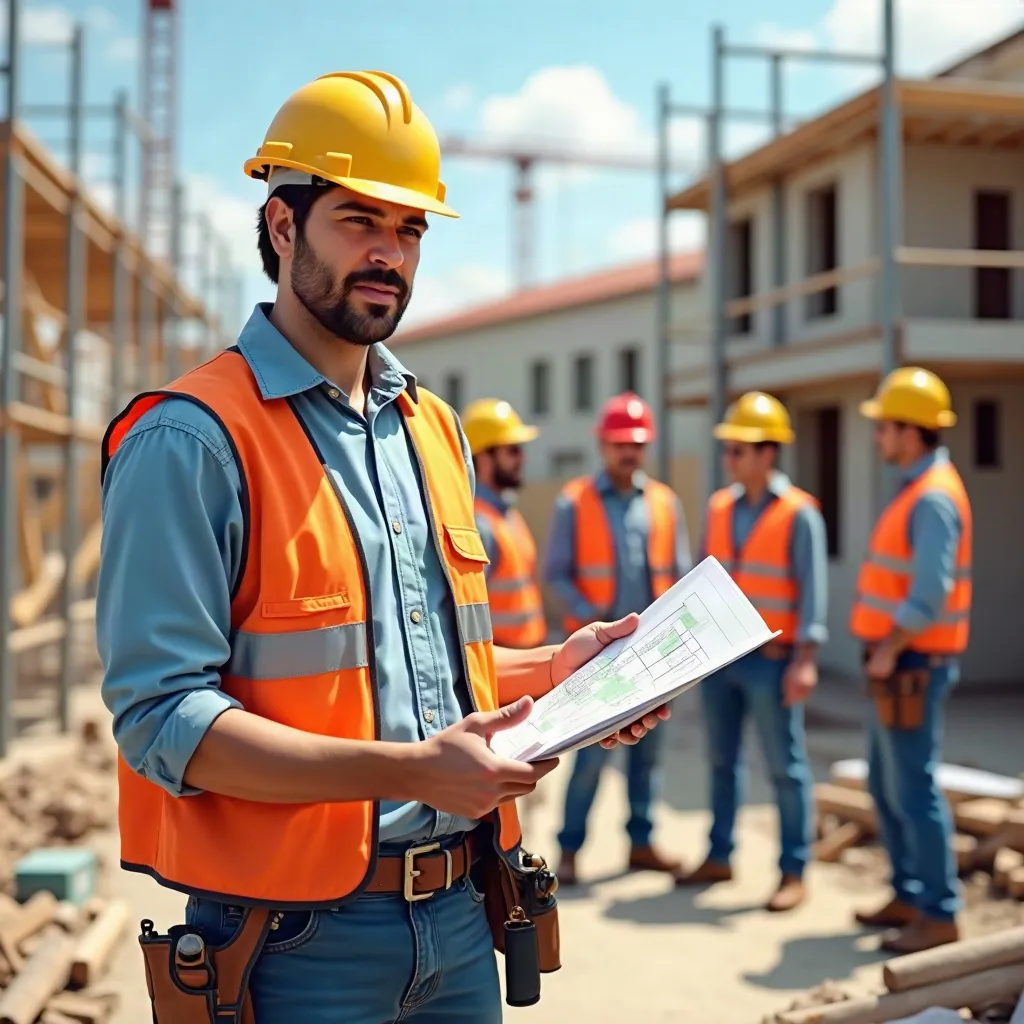
How Do a General Contractor Work?
A project overseer directs the multiple aspects of a construction project, making certain that operations proceed without interruption from initiation to completion. They act as the chief communication hub, handling communication between clients, trade contractors, and suppliers. This role encompasses structuring the project timeline, supervising crew members, and ensuring compliance with area construction rules and standards.
General contractors are in charge guide of obtaining necessary permits and scheduling inspections, which are essential to maintaining safety and quality standards. They also manage budget planning, material procurement, and overseeing site operations to mitigate any potential delays or issues. In addition, they oversee subcontractors, ensuring that each phase of construction conforms to project specifications and timelines. Overall, a general contractor's expertise and organizational skills are essential to completing a successful construction project, transforming a client's vision into reality while balancing multiple tasks and responsibilities.
Benefits of Employing a General Contractor for Home Renovations
Hiring a general contractor for home renovations offers numerous benefits that can significantly improve the efficiency and quality of the undertaking. Professional contractors possess knowledge in managing projects, ensuring that timelines are met and resources are allocated effectively. Their strong connections with specialized tradespeople can lead to better pricing and superior workmanship, which ultimately helps property owners both time and money.
Moreover, construction managers oversee the intricate details of permits and inspections, minimizing possible regulatory problems. They also provide a unified liaison, easing communication and coordination among various trades. This streamlining reduces the chance for misunderstandings and delays.
In addition, their experience enables them to recognize potential challenges, allowing timely interventions to keep the project on track. By contracting a general contractor, homeowners can focus on their vision while savoring peace of mind, confident that a professional is overseeing every aspect of the renovation.
Refuting False Notions About Construction Contractors
Many property owners may have incorrect ideas about general contractors, but understanding the facts can lead to more informed decisions. A prevalent myth is that hiring a contractor is not needed for small projects; yet, their expertise can make easier even minor renovations, ensuring alignment with local codes. Another frequent belief is that general contractors are simply middlemen, but they usually possess extensive knowledge in various trades, allowing them to supervise projects successfully. Furthermore, some clients think that collaborating with a contractor will dramatically raise costs. In truth, a skilled general contractor can often attain better discounts for materials and labor due to firm relationships with suppliers and subcontractors. Lastly, many believe that contractors are unadaptable, but esteemed contractors emphasize client communication and work closely to fulfill specific needs. Cleared up myths can empower clients to make the most of the actual value of general contractors in completing successful home projects.
Identifying the Best General Contractor?
How can homeowners ensure they choose the ideal construction professional for their undertakings? The approach starts with comprehensive investigation. Homeowners should seek recommendations from friends, family, or online reviews to locate qualified contractors. Once a compilation is assembled, verifying qualifications, such as licensing, insurance, and bonding, is essential to verify legitimacy.
Next, property owners should request and review portfolios of previous work, emphasizing work of comparable scale. Arranging consultations allows property owners to determine suitability, discussing timelines, budgets, and expectations. It's also prudent to gather multiple bids for contrast, delivering a transparent view of costs.
Verifying references provides insight into a contractor's competence and integrity. Finally, relying on your gut feeling is essential; an first consultation can reveal much about a contractor's communication style and approach. By implementing these procedures, homeowners can significantly boost their odds of choosing a general contractor who suits their project needs and vision.
Effective Dialogue Strategies For Your General Contractor
What methods can homeowners implement to guarantee effective communication with their general contractor? Initiating clear communication from the beginning is necessary. Homeowners should distinctly express their desires, project goals, and financial limits during initial discussions. Ongoing reports can be supported through arranged conferences, ensuring that both parties remain in sync throughout the project.
Written documentation, including email records and project logs, serves to strengthen verbal agreements and minimizes miscommunications. Homeowners should also promote transparent communication by requesting feedback and questions from the contractor, fostering a cooperative atmosphere.
Furthermore, capitalizing on tech solutions, such as project management apps, can ease communication by establishing a centralized platform for conveying updates, timelines, and changes. Finally, practicing politeness and openness can strengthen rapport, making it more straightforward for the contractor to discuss challenges or suggestions in a meaningful way. By executing these techniques, homeowners can nurture a fruitful and transparent relationship with their general contractor.
What You'll Know When Your Undertaking Starts?
As the project starts, homeowners can expect a rush of action on-site. The lead contractor will coordinate teams of skilled tradespeople, including electricians, plumbers, and carpenters, who will get started their responsibilities following the established timeline. Homeowners may witness equipment and goods being delivered, fostering a vibrant atmosphere.
Communication stays vital during this phase. The contractor will give progress reports on progress and handle any concerns that occur. Homeowners should get ready for possible interruptions, such as sound and restricted access to specific areas of the home.
Safety protocols will be in place to safeguard both workers and residents, guaranteeing a secure environment. Additionally, homeowners may be prompted to preserve flexibility, as unexpected problems can arise, requiring adjustments to the original plan. Overall, this initial phase sets the stage for the successful completion of the project, and active engagement is essential.
Key Topics for Your General Contractor Agreement?
Pinpointing the correct topics to ask when settling a general contractor agreement is vital for guaranteeing a frictionless project. Homeowners should inquire about the contractor's license and coverage to validate their qualifications and protection against liabilities. Understanding the project schedule and milestones is important; therefore, asking about estimated completion dates helps shape expectations.
It is also essential to define payment terms, comprising initial payments and installment plans, to sidestep misunderstandings. Residents should obtain a detailed breakdown of fees, encompassing materials and services, to guarantee openness. In addition, talking through the method for dealing with adjustments or unforeseen issues can circumvent conflicts in the future.
To wrap up, property owners should look into information about the experience of subcontractors, as well as the communication methods of the contractor throughout the project. By addressing these concerns, property owners can maintain a strong partnership with their primary contractor, ultimately facilitating a successful home improvement project.
Common Questions Posed Often
In What Fashion Do General Contractors Charge for Their Services?
General contractors typically bill through set prices, per-hour charges, or a percentage of the total project cost. Their pricing may also include supplies, work, and operational expenses, based on the complexity and extent of the project.
Can a General Contractor Support With Documentation and Evaluations?
Yes, a construction contractor can support securing permits and overseeing inspections. They typically handle local regulations and guarantee adherence, making it easier for homeowners while enabling necessary authorizations throughout the building project.
What Requirements Should I Look for in a General Contractor?
When picking a construction firm, one should assess professional credentials such as licensing, comprehensive insurance, experience in relevant projects, strong references, and effective communication skills, confirming they demonstrate the essential qualifications to manage the project with success.
How long Does a Standard Home Remodeling Project Take?
A typical home remodeling project can consume anywhere from a few weeks to several months, according to the range, complexity, and size of the project, as well as the availability of materials and labor.
What Takes Place if My Assignment Surpasses Spending Cap?
If a project goes over budget, the contractor usually talks through the causes and alternatives with the property owner. Changes may consist of scaling back, seeking additional funding, or revising the project scope to align with budget constraints.
Report this page