Powell River Top General Contractor for Quality Workmanship
Powell River Top General Contractor for Quality Workmanship
Blog Article
General Contractor: Your Preferred Specialist for Home Projects
A general contractor plays an crucial role in residential construction. They oversee various aspects of building work, ensuring that everything runs smoothly. Their knowledge in building codes and standards allows them to handle the complexities of licenses and inspections. This expert serves as a critical link between clients and specialized tradespeople. However, many homeowners stay unsure about the complete range of their offerings. Comprehending these specifics can greatly impact the success of any remodeling endeavor.
Which Tasks Do a General Contractor Accomplish?
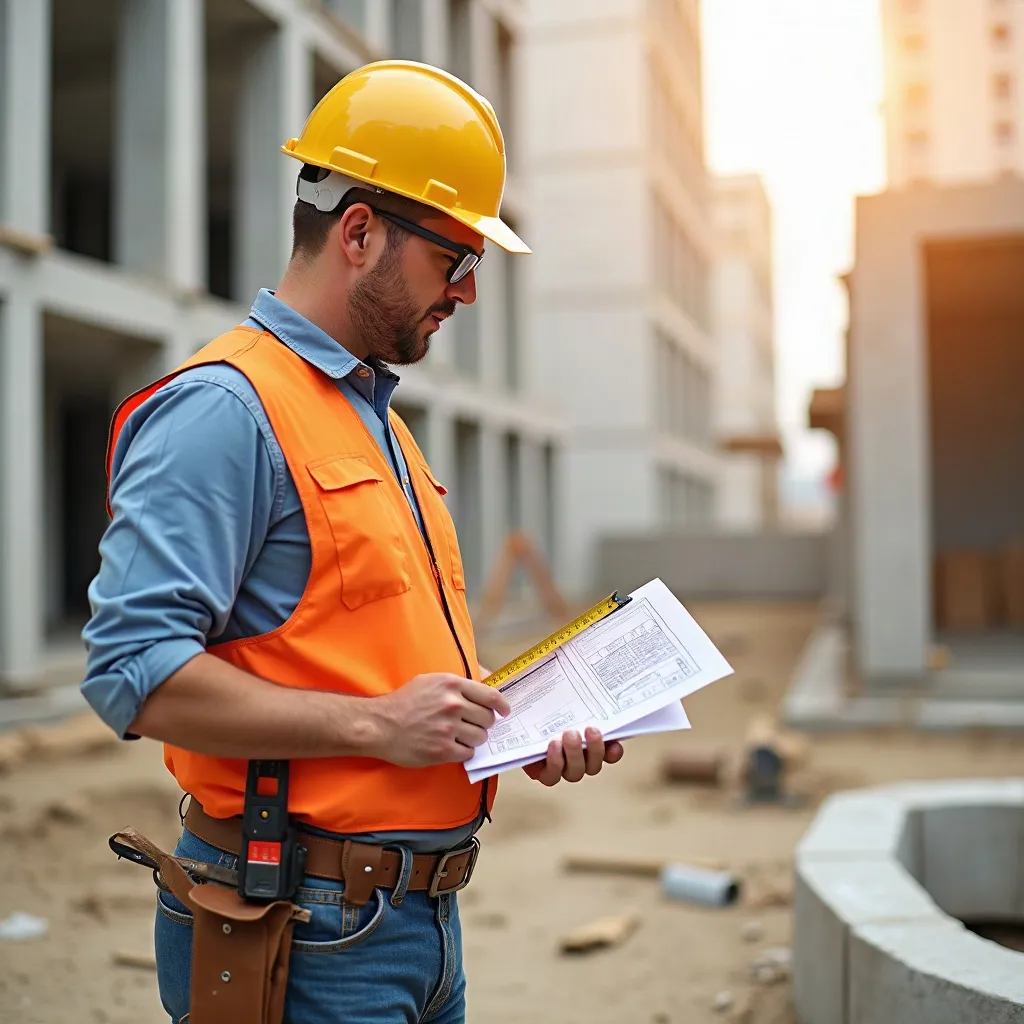
A general contractor orchestrates the diverse facets of a construction project, confirming that all operations flow without issue from opening to closing. They serve as the primary point of contact, directing communication between clients, contract workers, and suppliers. This role requires mapping out the construction calendar, arranging labor, and ensuring adherence with municipal construction standards and ordinances.
General contractors are responsible for obtaining necessary permits and scheduling inspections, which are essential to upholding safety and quality benchmarks. They also manage budgeting, sourcing materials, and managing on-site activities to prevent any possible setbacks or complications. In addition, they oversee subcontractors, making sure that each phase of construction conforms to project specifications and timelines. Overall, a general contractor's expertise and organizational skills are crucial for delivering a successful construction project, turning a client's vision into reality while balancing multiple tasks and responsibilities.
Benefits of Retaining a General Contractor for Home Renovations
Bringing on a a general contractor for home renovations provides numerous benefits that can greatly improve the quality and efficiency of the project. General contractors deliver expertise in project management, guaranteeing timelines are met and materials are distributed effectively. Their strong relationships with trade specialists can lead to better pricing and excellent quality, which in the end saves homeowners money and time.
Additionally, construction professionals coordinate the intricate details of permits and inspections, minimizing potential legal issues. They also provide a centralized coordinator, streamlining communication and coordination among various trades. This streamlining reduces the likelihood of miscommunications and interruptions.
In addition, their proficiency empowers them to foresee potential challenges, facilitating timely interventions to maintain the project on track. By hiring a general contractor, homeowners can focus on their vision while savoring peace of mind, knowing that a professional is directing every aspect of the renovation.
Refuting False Notions About Construction Contractors
Many homeowners may hold misconceptions about general contractors, but understanding the facts can lead to more better decisions. A prevalent myth is that hiring a general contractor is not needed for minor projects; yet, their ability can make easier even small-scale renovations, ensuring compliance with local codes. Another frequent belief is that contractors are simply middlemen, but they usually possess extensive knowledge in different specialties, allowing them to manage projects successfully. Furthermore, some clients think that collaborating with a contractor will considerably inflate costs. In truth, a competent general contractor can often attain better pricing for materials and labor due to established relationships with suppliers and subcontractors. Lastly, many believe that general contractors are inflexible, but esteemed contractors emphasize client communication and work closely to fulfill tailored needs. Debunked myths can empower clients to make the most of the true value of general contractors in completing successful home projects.
Identifying the Best General Contractor?
How can homeowners guarantee they choose the right general contractor for their projects? The process begins with thorough research. Homeowners should seek suggestions from friends, family, and online reviews to locate qualified contractors. Once a list is assembled, confirming qualifications, such as licensing, insurance, and bonding, is essential to verify legitimacy.
Next, property owners should request and review portfolios of previous work, focusing on projects similar in scope. Setting up interviews allows homeowners to gauge compatibility, covering schedules, costs, and requirements. It's also recommended to get several estimates for evaluation, providing a clear understanding of costs.
Verifying references provides insight into a contractor's reliability and professionalism. Ultimately, relying on your gut feeling is important; an first consultation can reveal much about a contractor's communication style and approach. By implementing these procedures, homeowners can significantly boost their chances of selecting a general contractor who matches their project needs and vision.
Effective Dialogue Approaches With Your General Contractor
How might homeowners use methods to secure clear exchanges with their general contractor? Establishing clear interaction from the start is critical. Homeowners must distinctly articulate their requirements, project goals, and spending restrictions during initial meetings. Consistent information can be enabled through organized conferences, guaranteeing that both parties stay synchronized throughout the project.
Using documented records, such as emails or project logs, helps strengthen spoken commitments and reduces misunderstandings. Homeowners should also promote transparent communication by inviting feedback and questions from the contractor, creating a cooperative atmosphere.
Moreover, utilizing technology, including project management apps, can streamline dialogue by offering a centralized system for sharing updates, timelines, and changes. Finally, being courteous and accessible can strengthen connection, making it simpler for the contractor to convey challenges or suggestions effectively. By employing these approaches, homeowners can cultivate a efficient and open relationship with their general contractor.
How to Get Ready When Your Project Commences?
As the work commences, homeowners can expect a rush of activity on-site. The lead contractor will coordinate teams of skilled tradespeople, including electricians, plumbers, and carpenters, who will get started their responsibilities following the set schedule. Homeowners may notice equipment and goods being brought in, fostering a vibrant atmosphere.
Keeping contact is essential during this stage. The contractor will supply updates on work being done and tackle any concerns that develop. Homeowners should get ready for possible disturbances, such as sound levels and reduced access to certain areas of the home.
Safety safeguards will be in place to protect both workers and residents, providing a secure atmosphere. Additionally, homeowners may be encouraged to maintain flexibility, as unforeseen issues can arise, demanding adjustments to the original plan. Overall, this initial phase sets the stage for the successful completion of the project, and active involvement is essential.
Essential Questions for Your Contractor Contract?
Identifying the appropriate inquiries to ask when completing a general contractor agreement is crucial for ensuring a smooth project. Homeowners should inquire about the contractor's permit and coverage to confirm their standing and protection against losses. Understanding the project timeline and checkpoints is meaningful; therefore, asking about estimated completion dates helps control expectations.
It is also crucial to establish financial agreements, such as deposit amounts and payment schedules, to avoid misunderstandings. Homeowners should request a comprehensive itemization of expenses, including materials and see more labor, to guarantee clarity. Additionally, discussing the process for handling changes or unexpected problems can avoid conflicts down the road.
To wrap up, homeowners must find out about the experience of subcontractors, as well as the contractor's communication strategy throughout the project. By addressing these concerns, property owners can nurture a productive relationship with their primary contractor, ultimately facilitating a successful home improvement project.
Common Questions Asked Often
What Methods Do General Contractors Use to Charge for Their Services?
Contractors generally levy charges via flat fees, hourly pricing, or a percentage of the total project cost. Their rates may additionally encompass materials, labor, and overhead, relative to the project's complexity and scope.
Can a General Contractor Give Help With Permits and Inspections?
Yes, a general contractor can help with obtaining permits and overseeing inspections. They typically navigate local codes and ensure adherence, simplifying the workflow for homeowners while facilitating necessary approvals throughout the building project.
What Qualifications Should I Identify in a General Contractor?
When appointing a construction company, one should evaluate professional attributes such as current licensing, insurance, experience in relevant projects, strong references, and proficient communication practices, ensuring they possess the vital expertise to administer the project as planned.
What Duration Should You Anticipate for a Standard Home Remodeling Project?
A conventional home remodeling project can take anywhere from a few weeks to several months, according to the scope, intricacy, and size of the project, as well as the availability of materials and labor.
What Happens if My Initiative Exceeds Budget?
Should a project go over budget, the builder usually communicates the causes and alternatives with the property owner. Adjustments may include reducing costs, pursuing more funds, or adjusting the project parameters to conform to budget constraints.
Report this page