Why Homeowners Trust Dunellen General Contractor for Every Project
Why Homeowners Trust Dunellen General Contractor for Every Project
Blog Article
Why Picking the Best General Contractor Is Key for Your Project
Determining the right prime contractor is a essential judgment that can greatly influence a project's success. A suitable contractor assures productive management and observance to spending limits. Their ability to work through setbacks and copyright clear communication is indispensable. However, many project owners miss critical considerations in this procurement process. Recognizing these features can point to better outcomes and boosted satisfaction. What should one assess when making this important choice?
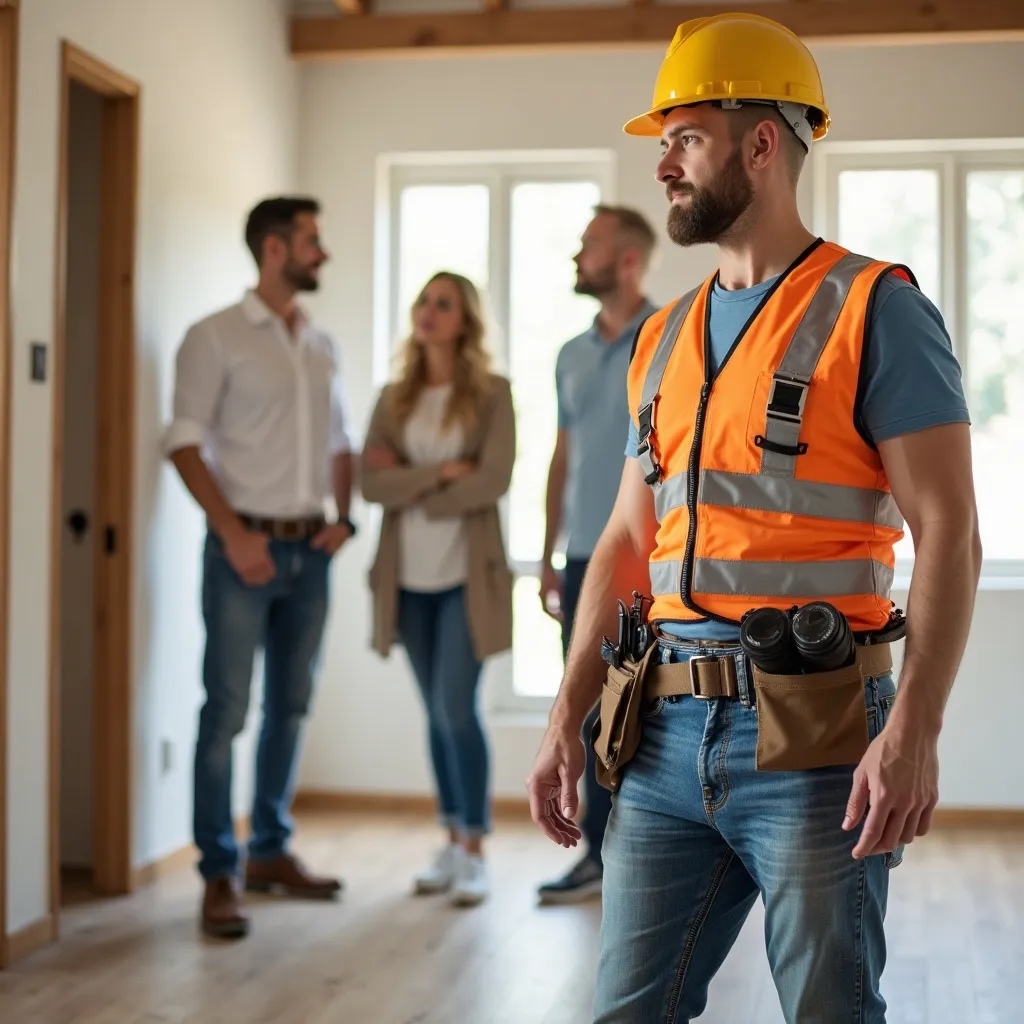
Typical Difficulties in Finding a General Project Director
When selecting a construction contractor, prospective customers often encounter several common challenges that can complicate the selection process. One major obstacle is the overwhelming number of choices on offer, which can result in uncertainty and hesitation. Clients may struggle to differentiate between contractors based on credentials, background, and cost, rendering it challenging to determine who will best meet their construction requirements.
An additional setback is the lack of transparency in contractor submissions, where concealed expenditures may emerge later, impacting the project budget. At the same time, clients may face related to communication problems; some contractors may fail to keep clients informed across the process, inducing discontent. Finally, clients often battle authenticating a contractor's references and past work, which can lead to uncertainty about the service caliber expected. These hindrances call upon careful consideration and examination to make certain the best option is made.
Necessity of a Credible Construction Expert
A dependable general contractor plays an essential role in ensuring project management efficiency and maintaining quality assurance guidelines. Their skill helps streamline processes, minimizing delays and costs. Additionally, a dependable contractor upholds excellence, resulting in excellent workmanship and client contentment.
Enhance Project Organization Efficiency
Successful project execution is dependent on the dependability of a general contractor. A trustworthy contractor promises that timelines are respected, resources are efficiently allocated, and communication flows effortlessly among all stakeholders. Their expertise in coordinating subcontractors, suppliers, and laborers directly affects the project's progress and success overall. A dependable contractor predicts challenges, applies solutions quickly, and stays focused on goals, minimizing setbacks and budget excesses. This efficiency creates a collaborative atmosphere, enabling adjustments and improvements as needed. Ultimately, the general contractor's trustworthiness enhances both project operations and trust among clients and team members, ensuring everyone remains aligned toward a successful result.
Quality Assurance Guidelines
Dependable builders serve a key role in ensuring quality assurance standards during the entire project. They make sure that every task meets established guidelines and industry protocols, which is essential to the durability and safety of the structure. A competent contractor exercises strict oversight over materials and workmanship, conducting regular inspections to find and resolve problems quickly. This proactive approach minimizes risks linked to inferior construction, ultimately protecting the investment. Furthermore, a reliable contractor encourages communication among all stakeholders, ensuring clear and fulfilled expectations. By focusing on quality assurance, a skilled general contractor not only enhances the end product but also gains trust with clients, establishing the base for successful project results.
Examining a Contractor's Qualifications and Reputation
When selecting a general building professional, understanding their background and reputation is critical, as these components greatly influence project outcomes. A contractor's experience typically demonstrates their competency to oversee diverse project types, complexities, and difficulties. Reviewing their work history offers insight into previous work, showcasing workmanship quality and careful attention to specifics.
In addition, reputation functions as a vital role in creating trust. Prospective clients should seek online reviews, recommendations, and references to assess satisfaction levels from previous clients. Connecting with past customers can expose the contractor's reliability, communication skills, and sticking to timelines and budgets.
Furthermore, sector associations and accreditations can enhance a contractor's standing, indicating a resolve to superior standards and responsible practices. By meticulously examining both experience and reputation, clients can select wisely, ultimately setting the stage for a successful construction project.
Vital Characteristics of a Reliable Contractor
A trustworthy contractor regularly exhibits honesty, openness, and strong interpersonal abilities. These vital qualities create the basis of a successful working relationship. Honesty guarantees the contractor conforms to ethical practices, offering truthful evaluations and realistic schedules. Openness involves openly sharing assignment information, including costs and potential challenges, fostering confidence between the contractor and the client.
Strong communication skills facilitate the contractor to communicate ideas efficiently, understand client preferences, and resolve any concerns that arise during the project. Additionally, a reliable contractor exhibits adaptability, adjusting to changes and unexpected circumstances with composure and flexibility. Attention to detail is a further key trait; it reflects a commitment to quality and accuracy in every facet of the work. All things considered, these characteristics not only improve project outcomes but also provide a positive interaction for clients, making the selection of a dependable contractor all the more vital.
Essential Questions When Choosing Your General Contractor?
What approach can a person use to guarantee they select the right general contractor for their project? By posing a collection of specific questions, potential clients can better evaluate candidates. Initially, asking about the contractor's experience with similar projects offers insight into their expertise. It's also vital to request for references; speaking with previous clients can uncover the contractor's reliability and standard of work.
Following this, examining licensing and insurance establishes that the contractor meets legal requirements and safeguards the client from possible liabilities. Clients should further ask about timelines and project management plans to measure how the contractor will handle the project efficiently.
Budget meetings are vital; requesting a thorough estimate helps avoid unexpected expenses later. Finally, understanding the contractor's preferred way of communicating can lay the groundwork for a successful partnership. By addressing these important inquiries, clients can choose wisely in selecting their general contractor.
Why Dialogue Is Important With Your Contractor
Effective discourse with a contractor is essential for undertaking accomplishment. Clarifying clear expectations and delivering timely updates can avert misunderstandings that often lead to expensive delays. Additionally, fostering an honest dialogue nurtures confidence, ensuring a smoother collaboration throughout the building undertaking.
Clear Expectations Create Success
Creating well-defined expectations is vital for a effective partnership with a general contractor. Strong communication lays the groundwork for understanding the objectives, schedules, and budget limitations of the project. When both parties articulate their needs and concerns, it minimizes the risk of misunderstandings that could interrupt progress. A contractor who understands the specific requirements can allocate resources efficiently and address potential challenges in advance. Moreover, clarity in expectations fosters accountability, making certain that the contractor keeps promises and that the homeowner remains involved throughout the process. By emphasizing open dialogue from the beginning, clients can enhance cooperation and satisfaction, ultimately leading to a more efficient project completion. Clear expectations not only streamline operations but also build trust between the homeowner and the contractor.
Quick Updates Prevent Confusion
Establishing distinct parameters creates the groundwork for successful partnership, yet regular contact is critically important. Consistent reports from a general contractor can eliminate confusion that may occur throughout a assignment. If construction firms regularly deliver status updates, view now clients keep abreast of schedules, cost modifications, and conceivable obstacles. Such anticipatory engagement works to harmonize both sides' expectations and minimizes the risk of disagreements later. In addition, when challenges surface, rapid notification allows speedier resolutions, keeping the project on track. Through establishing a culture of honest dialogue, contractors demonstrate their commitment to the work's success, in the end producing a smoother workflow and greater client satisfaction. Thus, prompt communications act as a vital element in preserving clarity and trust during the construction process.
Frank Discussion Establishes Trust
As a project moves forward, maintaining an open dialogue with the general contractor becomes essential for building confidence and collaboration. Effective communication guarantees that all parties have a clear understanding of requirements, timelines, and potential obstacles. When contractors and customers participate in frequent conversations, it enables for the recognition of issues before they worsen, reducing disruptions. This transparency not only builds assurance but also enhances the overall project experience. Additionally, an open line of communication encourages input, enabling the contractor to make modifications that match the client's vision. In the end, strong communication creates a foundation of mutual respect, which is vital for the successful completion of any construction undertaking. Confidence built through communication leads to better outcomes for everyone involved.
Frequently Posed Questions
What methods can I use to determine if a Contractor has been certified?
To ascertain if a contractor is licensed, one should review local official boards and digital resources, validate their license number, and ensure it's active. Additionally, reading web-based testimonials can give perspective on their reputation and consistency.
What Coverage Should My Contractor Carry?
A professional should carry general liability insurance, worker protection insurance, and, if applicable, negligence liability protection. These mitigate potential damages, job injuries, and quality failures, safeguarding asset protection for both the contractor and the purchaser.
What's the Best Way to Examine a Contractor's Track Record?
To verify a contractor's credentials, one should ask for a list of past customers, reach out to them personally, and ask regarding their experiences. Additionally, examining internet feedback and scores can offer useful information into the contractor's trustworthiness.
What Can I Take Action if Issues Occur During the Project?
If difficulties surface during the project, one should record the problems, communicate directly with the contractor, and achieve a resolution. If required, involving a third party or consulting a legal professional may also be warranted.
What Red Flags Should You Observe During the Hiring Process?
Problem indicators found in the recruitment phase include unclear pricing, lack of references, weak communication, incomplete licenses, and negative online reviews. These clues reveal conceivable difficulties that might influence the project timeline and quality.
Report this page